

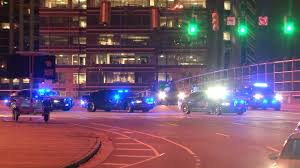
The phrase “Atlanta shooting” commonly refers to the devastating series of attacks that occurred on March 16, 2021, in the city of Atlanta and its surrounding areas. These shootings, which targeted multiple massage businesses, shocked the United States and drew global attention. Beyond the immediate tragedy, the incident ignited urgent conversations about violence, racism, mental health, and public safety.
What Happened on March 16, 2021
On that evening, a series of shootings unfolded across three different locations. The attacks began in Cherokee County and continued in Atlanta, targeting businesses that primarily employed women of Asian descent.
By the end of the night, eight people had lost their lives. Six of the victims were Asian women, which quickly raised concerns about possible racial motivations behind the attacks.
Law enforcement agencies responded swiftly, and a suspect was apprehended within hours. The speed of the arrest did little to ease the emotional weight of the tragedy, as communities across the country struggled to process what had happened.
The Victims and Human Impact
At the heart of this tragedy are the individuals who lost their lives. They were workers, family members, and members of their communities. Many were immigrants who had come to the United States seeking better opportunities.
The victims were not just statistics—they were people with stories, dreams, and loved ones. Families were left grieving, and entire communities felt the loss deeply.
The incident also had a profound psychological impact. Many Asian Americans reported increased fear and anxiety, especially those working in similar industries. The tragedy highlighted how vulnerable certain communities can feel in moments of crisis.
A Surge in Anti-Asian Sentiment
The Atlanta shooting did not occur in isolation. It came at a time when anti-Asian sentiment was already on the rise in the United States, particularly during the COVID-19 pandemic.
Reports of harassment, discrimination, and violence against Asian Americans had been increasing. Advocacy groups and organizations, such as Stop AAPI Hate, had documented thousands of incidents leading up to the shooting.
This context made the tragedy even more significant. Many people saw the attacks as part of a broader pattern of hostility, rather than a standalone act.
Debate Over Motive
One of the most discussed aspects of the Atlanta shooting was the question of motive.
Authorities initially stated that the suspect claimed the attacks were driven by personal struggles and addiction-related issues, rather than racial hatred. However, this explanation was met with skepticism and criticism from the public.
Given that most of the victims were Asian women, many believed that race and gender likely played a role, even if indirectly. The debate highlighted the complexity of determining motive in such cases and the importance of considering broader social influences.
Media Coverage and Public Reaction
The Atlanta shooting received extensive media coverage both nationally and internationally. News outlets, public figures, and community leaders spoke out about the tragedy.
Protests and vigils were held across the United States. In cities like New York City, Los Angeles, and San Francisco, people gathered to honor the victims and call for action against hate crimes.
Social media played a significant role in spreading awareness. Hashtags supporting Asian communities trended globally, and individuals shared personal stories of discrimination and resilience.
The Role of Gender and Stereotypes
Another critical aspect of the Atlanta shooting was its intersection with gender issues.
The victims being predominantly women brought attention to the hypersexualization and stereotyping of Asian women in Western societies. These stereotypes, rooted in historical and cultural narratives, have long contributed to discrimination and objectification.
The tragedy forced many to confront uncomfortable truths about how race and gender intersect, creating unique vulnerabilities for certain groups.
Government and Policy Responses
In the aftermath of the shooting, government officials at various levels responded with statements, policy proposals, and legislative actions.
One notable development was the increased attention to hate crime legislation. The U.S. Congress passed the COVID-19 Hate Crimes Act, aimed at improving the reporting and response to hate crimes.
Leaders emphasized the importance of community safety and the need to address underlying issues such as racism and discrimination. While policy changes cannot undo the tragedy, they represent steps toward preventing similar incidents in the future.
Community Healing and Support
Healing after such a traumatic event is a long and complex process.
Community organizations stepped in to provide support to victims’ families and affected individuals. Counseling services, financial assistance, and community outreach programs were established to help those in need.
Faith leaders, activists, and local organizations played a crucial role in bringing people together. Vigils and memorials served as spaces for collective mourning and solidarity.
The response demonstrated the resilience of communities and their ability to come together in times of crisis.
Lessons and Broader Implications
The Atlanta shooting serves as a reminder of several critical issues:
- The importance of addressing hate and discrimination: Violence often reflects deeper societal problems that must be confronted.
- The need for better mental health support: Understanding and addressing personal struggles can play a role in preventing violence.
- The value of community awareness: Education and dialogue can help reduce stereotypes and promote understanding.
The incident also highlighted the role of media and public discourse in shaping how events are understood. Responsible reporting and thoughtful discussion are essential in ensuring that tragedies lead to meaningful change.
The Ongoing Conversation
Even years after the Atlanta shooting, its impact continues to be felt. Conversations about race, gender, and violence remain relevant.
Advocacy groups continue to push for stronger protections and greater awareness. Educational initiatives aim to address biases and promote inclusivity.
The tragedy has become a turning point for many, prompting reflection and action at both individual and societal levels.
Conclusion
The Atlanta shooting was a deeply painful event that shook communities and sparked important conversations across the United States and beyond. While the loss of life can never be undone, the response to the tragedy has highlight the power of awareness, solidarity, and change.
Understanding this event requires looking beyond the immediate facts and considering the broader social context. It is not just a story of violence, but also one of resilience, reflection, and the ongoing pursuit of justice.