

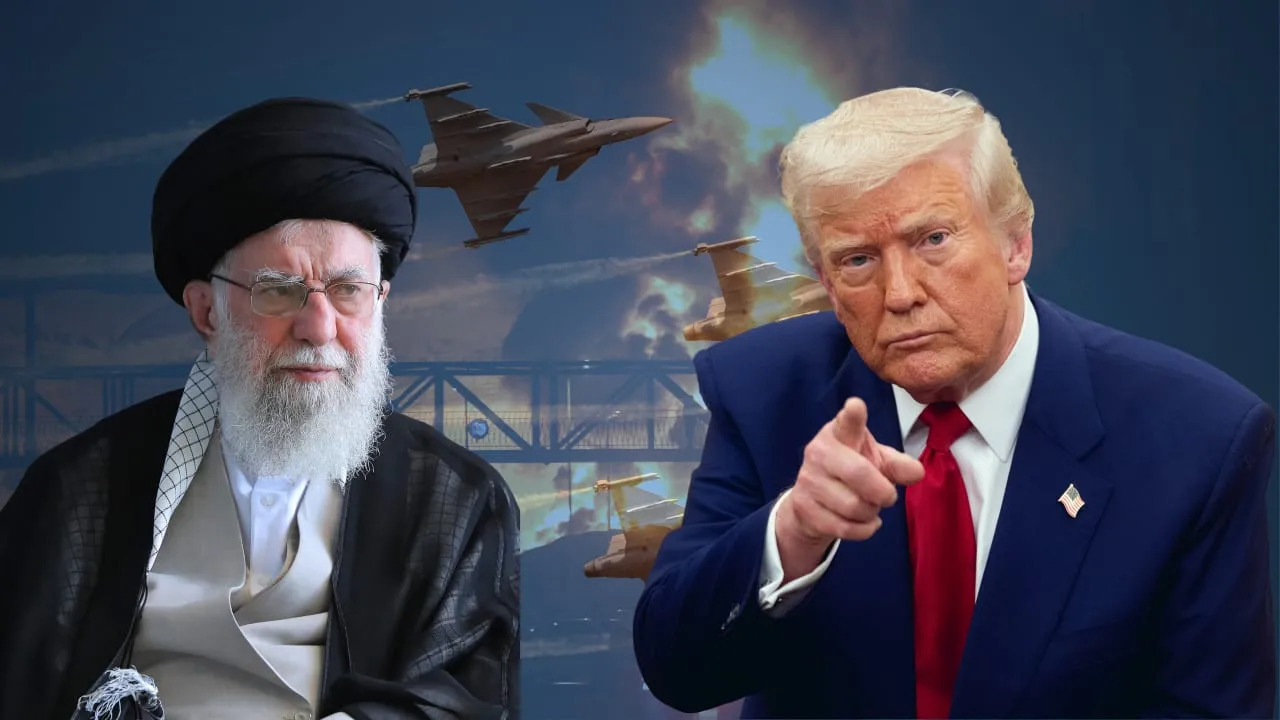
The relationship between iran trump has been one of the most tense and consequential geopolitical dynamics of the 21st century. From economic sanctions and nuclear disputes to military confrontations and fragile ceasefires, the interactions between these two actors have influenced global security, oil markets, and diplomatic alliances.
Historical Background of U.S.–Iran Relations
To understand the Trump-Iran dynamic, it is essential to examine the broader history of relations between Iran and the United States.
The two countries have had a complicated relationship for decades, marked by mistrust and political conflict. However, tensions escalated significantly during Trump’s presidency (2017–2021), when U.S. policy shifted toward a more confrontational approach.
One of Trump’s most impactful decisions was withdrawing from the Joint Comprehensive Plan of Action (JCPOA), commonly known as the Iran nuclear deal. This agreement had previously limited Iran’s nuclear program in exchange for sanctions relief.
After the withdrawal, the U.S. imposed a “maximum pressure” campaign, introducing over 1,500 sanctions targeting Iran’s economy, particularly its oil and financial sectors.
The “Maximum Pressure” Strategy
Trump’s Iran policy was centered around economic and political pressure. The goal was to force Iran into negotiating a new agreement that would address not only nuclear issues but also regional influence and missile programs.
Key elements of this strategy included:
- Severe economic sanctions
- Restrictions on oil exports
- Diplomatic isolation
- Threats of military action
While the strategy significantly weakened Iran’s economy, it also increased tensions and reduced the likelihood of diplomatic cooperation.
Iran responded by gradually stepping away from nuclear restrictions and increasing its regional activities.
Escalation and Military Confrontations
The relationship between Iran and Trump moved beyond economic pressure into direct confrontation.
One of the most dramatic moments occurred in 2020 when the U.S. conducted a drone strike that killed Iranian General Qasem Soleimani. This event brought the two countries to the brink of war and triggered retaliatory missile attacks by Iran.
In 2026, tensions escalated even further. A large-scale conflict involving the U.S., Iran, and regional allies led to widespread military strikes, destruction of infrastructure, and significant casualties.
According to reports, U.S. and allied forces targeted Iranian military assets, while Iran retaliated by attacking regional bases and disrupting global energy routes.
The Strait of Hormuz Crisis
One of the most critical aspects of the Iran–Trump conflict has been control of the Strait of Hormuz, a vital passage for global oil shipments.
Iran has used this strategic location as leverage during conflicts, occasionally restricting or threatening shipping routes. This has had a direct impact on global oil prices and economic stability.
Recent reports indicate that Iran’s actions in the strait have significantly disrupted energy markets, causing concern among international stakeholders.
For Trump, maintaining open shipping lanes has been a key objective, as disruptions can affect global economies and U.S. interests.
Nuclear Tensions and Global Concerns
At the center of the Iran–Trump relationship is the issue of nuclear weapons.
The U.S. has consistently demanded that Iran abandon any ambitions to develop nuclear weapons. Iran, however, insists on its right to pursue nuclear energy for peaceful purposes.
Experts warn that continued pressure and conflict could push Iran toward developing nuclear capabilities as a deterrent.
This concern is not limited to the U.S. Regional powers such as Saudi Arabia and Turkey could also pursue nuclear programs if Iran does, potentially triggering a wider arms race.
Economic Warfare and Sanctions
Economic pressure has been one of Trump’s primary tools against Iran.
Sanctions have targeted:
- Oil exports
- Banking systems
- International trade
- Foreign companies dealing with Iran
These measures have significantly weakened Iran’s economy, reducing government revenue and increasing inflation.
Recent developments suggest that U.S. blockades have further strained Iran’s oil infrastructure, limiting its ability to export النفط and affecting global supply.
However, sanctions have also faced criticism for their humanitarian impact, as they can affect ordinary citizens more than political leaders.
Diplomacy and Failed Negotiations
Despite intense conflict, there have been multiple attempts at diplomacy between Iran and Trump.
Negotiations have often been mediated by third parties, including countries like Pakistan and Oman. However, deep mistrust has made it difficult to reach a lasting agreement.
Iran has repeatedly expressed skepticism toward U.S. intentions, citing past actions such as the withdrawal from the nuclear deal.
Trump, on the other hand, has insisted that Iran must meet strict conditions before any agreement can be reached.
This lack of trust remains one of the biggest obstacles to peace.
Recent Developments: War and Ceasefire
In 2026, the situation escalated into a major conflict involving military strikes, economic blockades, and regional instability.
Reports indicate that:
- U.S. and allied forces have damaged significant portions of Iran’s military infrastructure
- Iran has retaliated with attacks on regional targets
- Global energy markets have been disrupted
Despite these developments, there have been efforts to establish ceasefires and resume negotiations.
Trump has indicated openness to talks but continues to demand major concessions from Iran, particularly regarding nuclear activities and regional influence.
Global Impact of Iran–Trump Relations
The conflict between Iran and Trump has far-reaching consequences beyond the two countries.
1. Economic Impact
Disruptions in oil supply affect global prices, leading to inflation and economic uncertainty.
2. Regional Stability
The Middle East has become increasingly unstable, with conflicts involving multiple countries and groups.
3. International Alliances
The situation has tested relationships between the U.S. and its allies, particularly in Europe, where some countries favor diplomacy over military action.
Criticism and Controversy
Trump’s approach to Iran has been widely debated.
Supporters argue that his policies have weakened Iran and forced it to reconsider its actions. Critics, however, believe that the strategy has increased tensions and made conflict more likely.
Some analysts have also pointed out inconsistencies in messaging and strategy, suggesting that a lack of clear direction has complicated the situation.
The Future of Iran–Trump Relations
Looking ahead, the future of Iran–Trump relations remains uncertain.
Several scenarios are possible:
- Diplomatic resolution: A negotiated agreement that addresses nuclear and regional issues
- Continued conflict: Ongoing tensions and periodic military confrontations
- Strategic stalemate: Neither side achieves its goals, leading to prolonged instability
The outcome will depend on political decisions, international pressure, and the willingness of both sides to compromise.
Conclusion
The relationship between Iran and Donald Trump is one of the most significant geopolitical stories of modern times.
From economic sanctions and nuclear disputes to military conflict and fragile diplomacy, this relationship has shaped global politics and influenced millions of lives.
Understanding this complex dynamic requires looking beyond headlines and examining the deeper issues of trust, power, and strategy.