

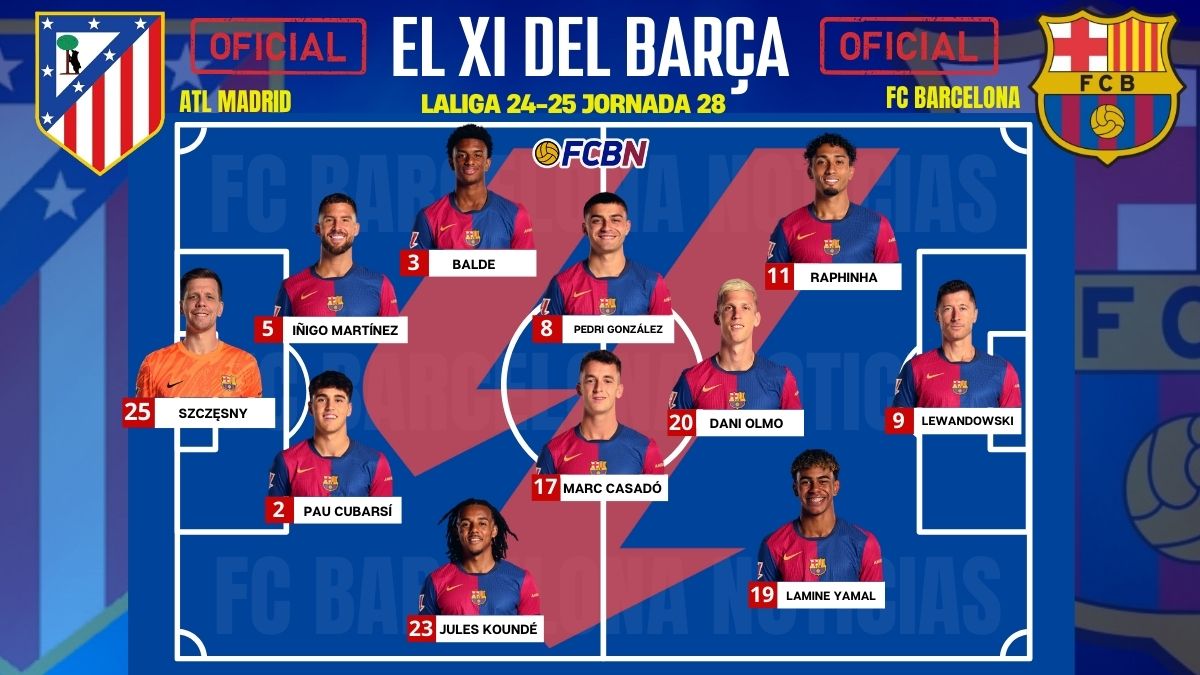
When it comes to Spanish football, few fixtures generate as much tactical intrigue as the clash between alineaciones de atlético de madrid contra fc barcelona. While fans eagerly anticipate goals and dramatic moments, one of the most critical aspects of this matchup lies in the lineups. The starting eleven chosen by each manager often determines the rhythm, intensity, and ultimate outcome of the game.
Why Lineups Matter in Atlético vs Barcelona
Lineups are more than just a list of players—they are a blueprint of strategy. When Atlético Madrid faces Barcelona, every selection reflects a calculated decision aimed at exploiting weaknesses or neutralizing threats.
Barcelona is known for its possession-based football, often dominating the ball and dictating tempo. Atlético Madrid, in contrast, relies on defensive discipline, compact structure, and quick transitions. Because of these opposing styles, lineup choices become even more significant.
A single change—such as adding an extra midfielder or deploying a more defensive full-back—can completely alter the balance of the match.
Atlético Madrid’s Tactical Identity Under Simeone
The philosophy of Diego Simeone has defined Atlético Madrid for over a decade. His approach emphasizes:
- Defensive solidity
- Tactical discipline
- Collective teamwork
- Efficient counter-attacking
Simeone’s lineups against Barcelona are typically designed to absorb pressure and strike at the right moment.
Common Atlético Madrid Lineups vs Barcelona
1. The Classic 4-4-2 Formation
This is the most recognizable setup used by Atlético Madrid.
Typical lineup structure:
- Goalkeeper: A reliable shot-stopper, often crucial against Barcelona’s attacking waves
- Defense: Two center-backs with strong positioning and aerial ability, supported by disciplined full-backs
- Midfield: A compact four-man line focused on defensive coverage and quick transitions
- Attack: Two forwards combining physical presence and pace
This formation allows Atlético to maintain defensive stability while still posing a threat on the counterattack.
2. The Flexible 5-3-2 System
In high-pressure matches against Barcelona, Simeone sometimes opts for a more defensive approach.
Key features:
- Three central defenders to handle Barcelona’s attacking trio
- Wing-backs providing width and defensive support
- A midfield trio focused on intercepting passes and disrupting play
This lineup is particularly effective when Atlético aims to limit Barcelona’s space in the final third.
Key Players in Atlético Lineups
Over the years, several players have become central figures in Atlético Madrid’s lineup against Barcelona.
- Goalkeeper role: Often decisive, with crucial saves keeping Atlético in tight matches
- Defensive leaders: Strong center-backs who organize the backline and handle Barcelona’s attackers
- Midfield engines: Players who combine defensive work with the ability to launch counterattacks
- Forwards: Strikers who capitalize on limited chances
Players like Jan Oblak and Antoine Griezmann have frequently played pivotal roles in these encounters.
Barcelona’s Influence on Atlético’s Lineups
Facing Barcelona forces Atlético Madrid to adapt. The presence of technically gifted players and a possession-heavy style means Atlético must prioritize structure and discipline.
Barcelona’s traditional 4-3-3 formation stretches the field, creating spaces that Atlético must carefully manage. This often leads to:
- Narrow defensive lines
- Increased midfield support
- Strategic pressing in key areas
Atlético’s lineup is therefore not just about their own strengths, but also about neutralizing Barcelona’s attacking threats.
Tactical Battles Within the Lineups
The real drama unfolds in how these lineups interact on the pitch.
Midfield Control
Barcelona typically dominates possession, so Atlético’s midfield must work tirelessly to disrupt passing lanes. The selection of midfielders is crucial—players need both stamina and tactical awareness.
Defensive Organization
Atlético’s defensive lineup is designed to remain compact. The distance between defenders and midfielders is kept minimal, making it difficult for Barcelona to penetrate.
Counter-Attacking Threat
Atlético’s forwards are often chosen for their ability to transition بسرعة from defense to attack. Speed and decision-making are essential qualities in these roles.
Evolution of Atlético Lineups Over Time
Atlético Madrid’s approach has evolved in recent years. While defensive discipline remains a cornerstone, there has been a gradual shift toward a more balanced style.
Modern lineups often include:
- More technically skilled midfielders
- Greater attacking flexibility
- Players capable of maintaining possession
This evolution reflects the changing nature of football, where adaptability is key to staying competitive.
Memorable Matches and Lineup Decisions
Several matches between Atlético Madrid and Barcelona have been defined by bold lineup choices.
In some cases, Simeone has surprised opponents by deploying unexpected formations or selecting unconventional players. These decisions often disrupt Barcelona’s rhythm and create opportunities for Atlético.
Conversely, sticking to a tried-and-tested lineup has also yielded success, especially in tightly contested matches where discipline and structure are paramount.
Strengths and Weaknesses of Atlético Lineups
Strengths
- Exceptional defensive organization
- High مستوى of teamwork and discipline
- Ability to adapt to different match situations
Weaknesses
- Limited attacking creativity in some setups
- Heavy reliance on counterattacks
- Risk of being overly defensive
Balancing these factors is one of the biggest challenges in selecting the ideal lineup against Barcelona.
The Role of Substitutions
While starting lineups are crucial, substitutions also play a significant role in shaping the outcome.
Simeone often uses substitutes to:
- Add fresh energy to the midfield
- Introduce pace in attack
- Reinforce the defense in the final stages
These changes can shift momentum and influence the final result.
Modern Trends in Atlético vs Barcelona Lineups
In recent seasons, both teams have shown greater tactical flexibility. Atlético Madrid, in particular, has experimented with hybrid formations that combine defensive solidity with attacking intent.
This includes:
- Switching between back four and back five during matches
- Using versatile players who can operate in multiple positions
- Increasing emphasis on ball control
These trends indicate a more dynamic approach, making future encounters even more unpredictable.
Why This Topic Matters for Fans and Analysts
Understanding lineups provides deeper insight into the game. For fans, it enhances the viewing experience. For analysts, it offers a framework for evaluating performance and strategy.
In the case of Atlético Madrid vs Barcelona, lineups are especially महत्वपूर्ण because of the tactical contrast between the two teams.
Every decision—whether it’s selecting a defensive midfielder or choosing a specific forward—can have a significant impact on the match.
Conclusion
The lineups of Atlético de Madrid against alineaciones de atlético de madrid contra fc barcelona are a fascinating reflection of football strategy at the highest level.
From the disciplined 4-4-2 to the adaptable 5-3-2, Atlético’s approach showcases the importance of structure, teamwork, and tactical awareness. Under Diego Simeone, the team continues to evolve while staying true to its core identity.
As football continues to change, so too will the lineups and strategies in this iconic fixture. However, one thing remains certain: whenever Atlético Madrid faces Barcelona, the battle begins long before kickoff—with the selection of the starting eleven.