

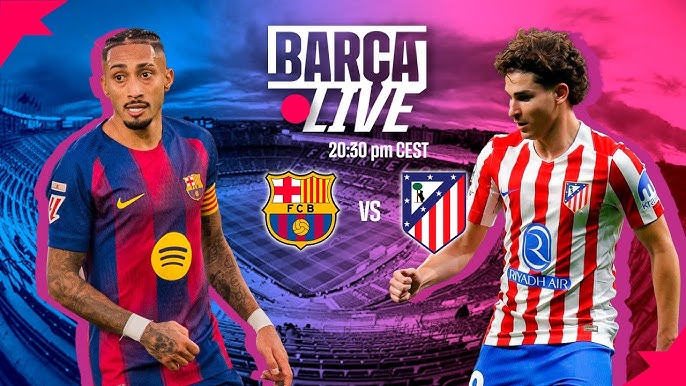
Few fixtures in Spanish football capture the imagination quite like Barcelona vs Atlético Madrid. While El Clásico often dominates global headlines, this matchup offers something equally compelling—an intense tactical battle between two clubs that represent contrasting philosophies. Barcelona, historically associated with fluid attacking football, faces Atlético Madrid, a team built on discipline, resilience, and defensive mastery. This clash is not just about three points; it is a collision of identities that has evolved significantly over the years.
Historical Context of the Rivalry
The rivalry between Barcelona and Atlético Madrid dates back decades, but it has grown in intensity in the modern era. Barcelona, one of Spain’s most decorated clubs, has traditionally been a dominant force in La Liga. Atlético Madrid, meanwhile, has often played the role of challenger, disrupting the duopoly of Barcelona and Real Madrid.
In earlier decades, Barcelona frequently had the upper hand due to their attacking prowess and superior squad depth. However, Atlético Madrid’s transformation under Diego Simeone marked a turning point. Since his arrival in 2011, Atlético has become a consistent title contender, winning La Liga and competing fiercely in both domestic and European competitions.
This shift has turned the fixture into a genuine heavyweight encounter, where predicting the outcome is no longer straightforward.
Contrasting Playing Styles
One of the most fascinating aspects of Barcelona vs Atlético Madrid is the stark contrast in playing styles.
Barcelona’s philosophy revolves around possession-based football. Their emphasis on short passing, movement, and positional play aims to control the tempo of the game. This approach, often referred to as “tiki-taka,” has defined the club for years. Even as tactics evolve, Barcelona continues to prioritize creativity, attacking transitions, and technical brilliance.
Atlético Madrid, on the other hand, thrives on structure and defensive organization. Under Simeone, the team has perfected the art of compact defending and quick counter-attacks. Atlético players are known for their work rate, tactical discipline, and ability to exploit even the smallest mistakes.
When these two styles collide, the result is a chess match on the pitch. Barcelona tries to break down Atlético’s defensive lines, while Atlético looks for opportunities to strike on the counter.
Key Players Who Define the Fixture
Over the years, several players have played pivotal roles in shaping the outcomes of this rivalry.
For Barcelona, legends like Lionel Messi have left an unforgettable mark. Messi’s ability to unlock defenses made him a constant threat against Atlético. His goals, assists, and moments of brilliance often decided tightly contested matches.
Atlético Madrid has had its own heroes. Players like Antoine Griezmann, Diego Costa, and Jan Oblak have been crucial in key encounters. Oblak, in particular, has delivered numerous world-class performances against Barcelona, keeping his team in games with remarkable saves.
In recent seasons, new stars have emerged on both sides, ensuring that the rivalry remains fresh and unpredictable.
Tactical Battles and Memorable Matches
Barcelona vs Atlético Madrid is rarely a high-scoring affair. Instead, it is characterized by tight margins, tactical discipline, and moments of individual brilliance.
One recurring theme in these matches is Barcelona’s struggle to penetrate Atlético’s defensive block. Atlético often defends deep, with two compact lines that make it difficult for Barcelona to find space. This forces Barcelona to rely on creativity, quick passing, and long-range efforts.
At the same time, Atlético’s counter-attacking strategy can be devastating. With quick transitions and direct play, they can turn defense into attack within seconds. This makes Barcelona vulnerable, especially when committing players forward.
Several memorable matches highlight this dynamic. There have been dramatic late goals, controversial decisions, and intense battles that kept fans on the edge of their seats. Each encounter adds another chapter to the rivalry’s rich history.
The Role of Managers
Managers play a crucial role in shaping the outcome of this fixture.
Barcelona’s managers have traditionally emphasized attacking football and positional play. Their challenge lies in maintaining balance—ensuring defensive stability while pushing forward in search of goals.
Diego Simeone, Atlético’s long-serving manager, is central to the club’s identity. His passion, intensity, and tactical acumen have turned Atlético into one of Europe’s most formidable teams. Simeone’s ability to motivate his players and execute game plans tailored to specific opponents makes Atlético a difficult team to beat.
The managerial duel often determines the flow of the game. Adjustments, substitutions, and tactical tweaks can shift momentum in an instant.
Recent Trends and Evolution
In recent years, both teams have undergone transitions.
Barcelona has faced a period of rebuilding, integrating younger players while redefining its tactical approach. Financial challenges and squad changes have impacted consistency, but the club remains committed to its attacking philosophy.
Atlético Madrid has also evolved. While still defensively strong, the team has incorporated more attacking elements into its play. This evolution has made Atlético more versatile, capable of adapting to different match situations.
As a result, recent encounters between the two teams have become more open and unpredictable. While defensive discipline remains a hallmark, there is a growing emphasis on attacking intent from both sides.
Why This Fixture Matters
Barcelona vs Atlético Madrid is more than just a football match. It represents the diversity of football philosophies and the beauty of tactical competition.
For fans, it offers a unique viewing experience. Unlike matches dominated by one style, this fixture showcases the interplay between attack and defense, creativity and discipline, risk and control.
From a league perspective, these matches often have significant implications for the title race. Points dropped or gained in this fixture can influence the outcome of the season.
The Global Appeal
The global popularity of La Liga ensures that Barcelona vs Atlético Madrid attracts millions of viewers worldwide. Fans from different continents tune in to watch this clash, drawn by its intensity and unpredictability.
The fixture also highlights the depth of Spanish football. While Barcelona and Real Madrid often dominate headlines, Atlético Madrid’s rise has added a new dimension to the league, making it more competitive and exciting.
Looking Ahead
As both teams continue to evolve, the future of this rivalry looks promising. Young talents, tactical innovations, and changing dynamics will shape upcoming encounters.
Barcelona will aim to reclaim dominance through attacking excellence and youth development. Atlético Madrid will continue to rely on discipline and adaptability, seeking to maintain its position among Europe’s elite.
The balance of power may shift, but the essence of the rivalry will remain unchanged—a battle of contrasting styles, fought with passion and intensity.
Conclusion
Barcelona vs Atlético Madrid is one of the most intriguing fixtures in modern football. It is a rivalry defined not by hostility, but by respect and competition. Each match tells a story of strategy, resilience, and skill.
For football enthusiasts, this clash is a reminder of why the sport is so captivating. It is not just about goals or trophies, but about the different ways the game can be played and appreciated.
As the rivalry continues to evolve, one thing is certain: whenever Barcelona and Atlético Madrid meet, fans can expect a match filled with drama, tension, and unforgettable moments.