

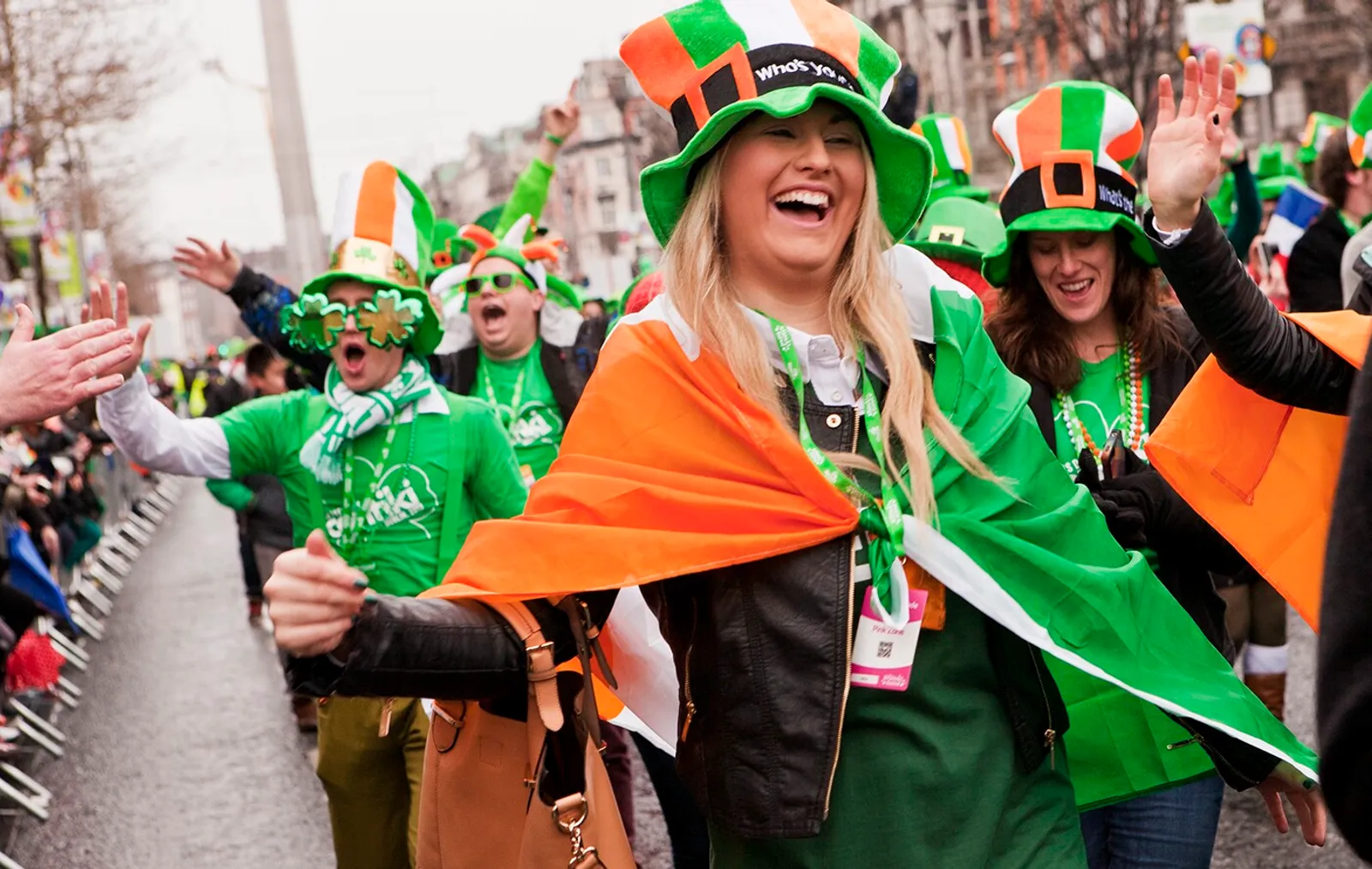
The Día de San Patricio, known in English as St. Patrick’s Day, is one of the most widely celebrated cultural and religious holidays in the world. Observed every year on March 17, this day honors the life and legacy of Saint Patrick, the patron saint of Ireland. What began as a solemn religious feast has evolved into a global celebration filled with parades, music, food, and a sea of green.
The Origins of Día de San Patricio
St. Patrick was born in Roman Britain during the late 4th century. As a teenager, he was kidnapped by Irish raiders and taken to Ireland as a slave. After several years, he escaped, but later returned to Ireland as a missionary.
His mission was to spread Christianity throughout the island, and he became known for converting many Irish people to the faith. Over time, he became a central figure in Irish history and spirituality.
March 17 marks the date of his death, and it was chosen as a day to honor his contributions. Originally, the celebration was primarily religious, involving church services and quiet reflection.
Religious Significance
For many people, Día de San Patricio still holds deep religious meaning. It is a feast day in the Christian calendar, particularly within the Catholic Church.
Traditionally, people attend church services to remember St. Patrick’s work and teachings. In Ireland, the day was once observed with more restraint, focusing on prayer rather than celebration.
Interestingly, the holiday often falls during Lent, a period of fasting. However, on March 17, restrictions were historically lifted, allowing people to enjoy food and festivities.
The Symbolism Behind the Celebration
Several symbols are closely associated with Día de San Patricio, each carrying its own meaning.
The Shamrock
The shamrock, a three-leaf clover, is one of the most recognizable symbols of the holiday. According to tradition, St. Patrick used it to explain the concept of the Holy Trinity—Father, Son, and Holy Spirit.
Today, the shamrock represents Irish identity and pride.
The Color Green
Green has become the dominant color of the celebration. It is link to Ireland’s lush landscapes, often referred to as the “Emerald Isle.” Wearing green on this day is a way of showing participation in the festivities.
Leprechauns
These mythical creatures from Irish folklore have become a playful part of the holiday. Leprechauns are often depicte as small, mischievous beings guarding pots of gold.
While not directly connected to St. Patrick, they add a fun and whimsical element to modern celebrations.
How the Celebration Spread Globally
Although Día de San Patricio originated in Ireland, it gained international popularity through Irish migration.
During the 18th and 19th centuries, many Irish people moved to countries like the United States, Canada, and Australia. They brought their traditions with them, and over time, these celebrations grew larger and more elaborate.
Cities with large Irish communities began organizing parades and public events. One of the most famous celebrations takes place in New York City, where the St. Patrick’s Day parade is one of the oldest and largest in the world.
Modern-Day Celebrations
Today, Día de San Patricio is celebrate in countless countries, often with a festive and lively atmosphere.
Parades and Festivals
Parades are a central feature of the holiday. Participants dress in green, play traditional Irish music, and showcase cultural performances.
Cities like Dublin host massive festivals that attract visitors from around the globe.
Food and Drink
Traditional Irish dishes are commonly enjoy on this day. Popular foods include:
- Irish stew
- Corned beef and cabbage
- Soda bread
Beverages, particularly those dyed green for the occasion, are also a big part of the celebration.
Music and Dance
Irish music and dance play a significant role in Día de San Patricio festivities. Instruments like the fiddle and tin whistle create lively tunes, while traditional dances add energy and excitement.
Cultural Impact and Identity
Día de San Patricio has become more than just a holiday—it is a celebration of Irish culture and heritage.
For people of Irish descent, it is a way to connect with their roots. For others, it is an opportunity to experience and appreciate Irish traditions.
The holiday also promotes a sense of unity. Regardless of nationality, people around the world come together to celebrate, creating a shared cultural experience.
Commercialization of the Holiday
As Día de San Patricio gained popularity, it also became increasingly commercialized.
Businesses often use the holiday as an opportunity to promote themed products, events, and marketing campaigns. From clothing to decorations, green-themed items dominate stores during this time.
While some critics argue that commercialization has diluted the holiday’s original meaning, others see it as a natural evolution that helps keep the tradition alive.
Unique Celebrations Around the World
Different countries have developed their own ways of celebrating Día de San Patricio.
- In Chicago, the river is famously dyed green each year.
- In Sydney, landmarks are illuminate in green lights.
- In London, large festivals showcase Irish culture.
These variations highlight the global appeal of the holiday and its ability to adapt to different cultures.
Fun Facts About Día de San Patricio
- St. Patrick was not originally Irish; he was born in Britain.
- Blue was once associated with St. Patrick before green became popular.
- The first St. Patrick’s Day parade was held in the United States, not Ireland.
- The holiday is celebrate in more countries than almost any other national festival.
Why Día de San Patricio Remains Popular
The enduring popularity of Día de San Patricio can be attribute to several factors:
- Cultural richness: The holiday is deeply root in history and tradition.
- Global appeal: It is celebrate worldwide, transcending borders.
- Festive atmosphere: The combination of music, food, and parades creates an enjoyable experience.
- Inclusivity: Anyone can participate, regardless of background.
Conclusion
Día de San Patricio has transformed from a religious observance into a global celebration of culture, identity, and joy. Honoring Saint Patrick and the heritage of Ireland, the holiday continues to bring people together in meaningful and festive ways.
Whether through parades, traditional meals, or simply wearing green, millions of people participate in this celebration each year. Its ability to evolve while maintaining its cultural roots is what makes Día de San Patricio truly special.