

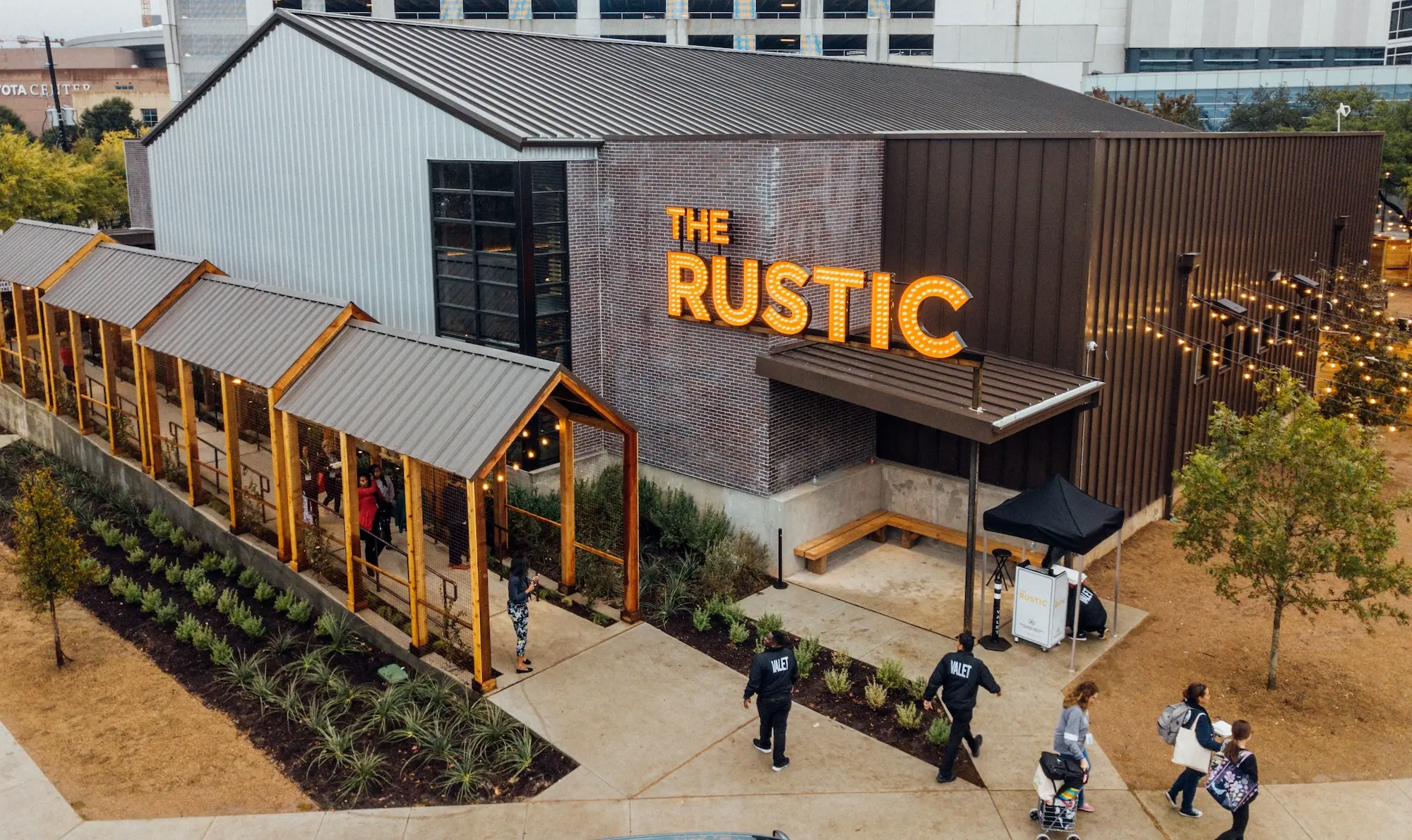
In recent years, the word “rustic” has become far more than just a design term. It represents a lifestyle, an aesthetic, and a growing appreciation for simplicity, authenticity, and natural beauty. Whether found in home décor, restaurants, architecture, or fashion, the rustic style continues to attract people who want warmth, comfort, and a connection to nature.
What Does “Rustic” Mean?
The term “rustic” generally refers to something that is natural, rural, simple, and traditional. Rustic design and lifestyle elements often emphasize raw materials, earthy colors, and handcrafted details.
Unlike modern styles that focus on sleek perfection, rustic aesthetics celebrate imperfections and authenticity. Weathered wood, exposed stone, vintage furniture, and natural textures are common features of rustic spaces.
The Origins of Rustic Style
Rustic design has deep historical roots. It originally emerged from rural homes and countryside cabins where people used locally available materials to build practical living spaces.
Before industrial manufacturing became widespread, furniture and homes were handmade using wood, stone, and metal. Over time, these natural and imperfect designs became appreciated for their charm and uniqueness.
Today, rustic style combines historical influences with modern comfort, creating spaces that feel both timeless and welcoming.
Key Characteristics of Rustic Design
Rustic interiors and architecture share several defining features.
1. Natural Materials
Wood is the most important element in rustic design. Reclaimed wood, exposed beams, and handcrafted furniture are commonly used.
Other natural materials include:
- Stone
- Leather
- Iron
- Cotton and linen fabrics
These materials create a warm and organic atmosphere.
2. Earthy Color Palettes
Rustic spaces often use colors inspired by nature, such as:
- Brown
- Beige
- Olive green
- Gray
- Warm white
These tones create a relaxing and cozy environment.
3. Vintage and Handmade Elements
Rustic style values craftsmanship. Handmade furniture, antique décor, and vintage accessories add personality and authenticity.
4. Warm Lighting
Soft lighting plays a major role in rustic spaces. Warm-toned lights, lantern-style fixtures, and candles enhance comfort and ambiance.
Rustic Homes and Architecture
Rustic homes are designed to feel inviting and connected to nature.
Features of Rustic Homes
- Open wooden ceilings
- Stone fireplaces
- Large windows with natural views
- Wooden flooring
These features combine practicality with beauty.
Modern Rustic Style
Modern rustic design blends traditional rustic elements with contemporary simplicity.
Key Features
- Cleaner lines
- Minimal clutter
- Modern furniture combined with rustic textures
- Neutral color schemes
This hybrid approach has become extremely popular in urban homes and apartments.
Rustic Furniture
Rustic furniture is known for its durability and natural appearance.
Common Materials
- Solid wood
- Reclaimed timber
- Wrought iron
Popular Rustic Furniture Pieces
- Farmhouse dining tables
- Wooden coffee tables
- Leather sofas
- Vintage cabinets
These pieces create a timeless and comfortable atmosphere.
Rustic Décor Trends
Rustic décor continues to evolve with modern trends.
Popular rustic décor elements include:
- Mason jars
- Barn-style doors
- Wooden shelves
- Handwoven rugs
- Indoor plants
These details help personalize rustic spaces.
The Rustic Lifestyle
Beyond design, rustic living reflects a broader lifestyle philosophy.
Simplicity
Rustic living emphasizes simplicity over excess.
Connection to Nature
People embracing rustic lifestyles often value outdoor living, gardening, and natural environments.
Sustainability
Using reclaimed materials and handmade products aligns with eco-friendly values.
Rustic Restaurants and Entertainment Venues
The rustic aesthetic is also popular in restaurants, cafés, and entertainment venues.
Many businesses use rustic design to create a relaxed and welcoming atmosphere. Features often include:
- Wooden interiors
- Industrial lighting
- Live music settings
- Outdoor seating areas
This style appeals to customers seeking comfort and authenticity.
Why Rustic Style Is So Popular
Several factors explain the enduring popularity of rustic aesthetics.
1. Emotional Comfort
Rustic spaces feel warm and inviting, providing emotional comfort.
2. Timeless Appeal
Unlike trends that quickly fade, rustic design remains relevant because of its classic nature.
3. Balance Between Old and New
Modern rustic design allows people to enjoy contemporary convenience while preserving traditional charm.
4. Social Media Influence
Platforms like Instagram and Pinterest have increased interest in rustic interiors and lifestyles.
Rustic Style vs Modern Style
Rustic Style
- Warm and natural
- Textured materials
- Vintage character
Modern Style
- Minimalist and sleek
- Clean lines
- Industrial materials
Many designers now combine both styles for a balanced look.
Tips for Creating a Rustic Space
Use Natural Wood
Incorporate wooden furniture or exposed beams.
Add Texture
Layer fabrics such as wool, cotton, and linen.
Choose Neutral Colors
Stick to earthy tones for a cohesive appearance.
Include Vintage Pieces
Antique décor adds authenticity and personality.
Challenges of Rustic Design
While beautiful, rustic design can have some challenges.
Maintenance
Natural materials may require more care.
Overcrowding
Too many rustic elements can make spaces feel cluttered.
Cost
Authentic reclaimed wood and handmade furniture can be expensive.
Balancing aesthetics with practicality is important.
The Future of Rustic Design
Rustic design continues to evolve alongside modern living trends.
Future trends may include:
- Sustainable rustic materials
- Smart home technology integrated into rustic interiors
- Minimalist rustic spaces
These innovations ensure that rustic style remains relevant for future generations.
Rustic in Popular Culture
Rustic aesthetics are widely used in television shows, weddings, cafés, and lifestyle brands. Rustic-themed weddings, for example, have become especially popular due to their romantic and natural appearance.
The style’s versatility allows it to fit many environments and occasions.
Why People Connect with Rustic Living
At its core, rustic living represents authenticity and comfort.
In a fast-paced digital world, many people are drawn to spaces that feel grounded, warm, and connected to nature. Rustic design offers an escape from overly polished and artificial environments.
Conclusion
“The Rustic” is more than just a design trend—it is a lifestyle centered around warmth, simplicity, and natural beauty.
From rustic homes and furniture to restaurants and modern interiors, this style continues to inspire people around the world. Its timeless appeal comes from its ability to combine authenticity with comfort, creating spaces that feel welcoming and meaningful.
Whether you prefer a traditional cabin aesthetic or a modern rustic apartment, embracing rustic design can transform any environment into a cozy and inviting retreat.